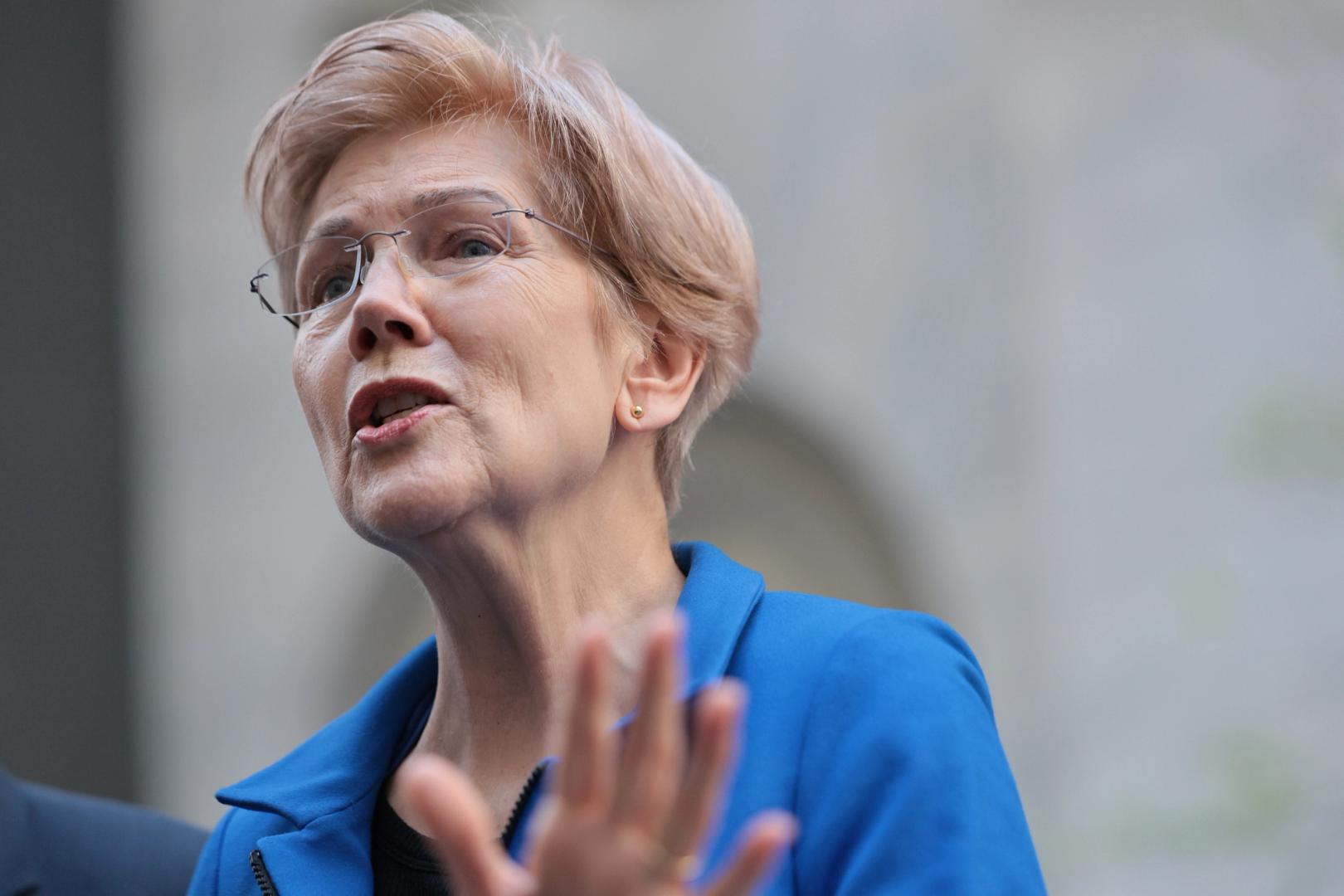
Senator Elizabeth Warren accuses U.S. regulator of approving unqualified crypto banks
The Senate Banking Committee's top Democrat sent a letter to the Office of the Comptroller of the Currency questioning the charters of nine crypto firms.
Editorial perspective
AI-assisted
Senator Warren's challenge to the OCC marks an escalation in the regulatory tension surrounding crypto-banking integration. The concern centers on whether federal banking charters granted to digital asset firms meet traditional prudential standards for capital adequacy, risk management, and consumer protection. This matters because chartered institutions gain access to Federal Reserve payment systems and deposit insurance frameworks, effectively bridging speculative crypto markets with the regulated banking sector.
The timing is significant as traditional banks increasingly seek exposure to digital assets while crypto firms pursue legitimacy through federal oversight. If Warren's scrutiny leads to charter revocations or tightened standards, it could fragment the emerging crypto-banking landscape and force institutions to operate under state-level money transmission frameworks instead. For investors, this regulatory uncertainty affects valuations across both crypto-native companies and traditional financial institutions building digital asset businesses. The dispute also signals potential legislative action that could reshape how digital assets interact with core payment infrastructure.
Originally reported by Jesse Hamilton
for CoinDesk
Processing your unsubscribe…
Hang on a moment.
You've been unsubscribed.
You won't receive any more marketing messages from FinpulseTestExample. Updates take effect within 24 hours.
That link has expired.
The unsubscribe link is no longer valid. You can opt out manually instead.
Editorial perspective
AI-assistedSenator Warren's challenge to the OCC marks an escalation in the regulatory tension surrounding crypto-banking integration. The concern centers on whether federal banking charters granted to digital asset firms meet traditional prudential standards for capital adequacy, risk management, and consumer protection. This matters because chartered institutions gain access to Federal Reserve payment systems and deposit insurance frameworks, effectively bridging speculative crypto markets with the regulated banking sector.
The timing is significant as traditional banks increasingly seek exposure to digital assets while crypto firms pursue legitimacy through federal oversight. If Warren's scrutiny leads to charter revocations or tightened standards, it could fragment the emerging crypto-banking landscape and force institutions to operate under state-level money transmission frameworks instead. For investors, this regulatory uncertainty affects valuations across both crypto-native companies and traditional financial institutions building digital asset businesses. The dispute also signals potential legislative action that could reshape how digital assets interact with core payment infrastructure.